

Gen Z Spent a Billion Dollars on Vinyl. They're Not Buying Sound. They're Buying the Feeling.
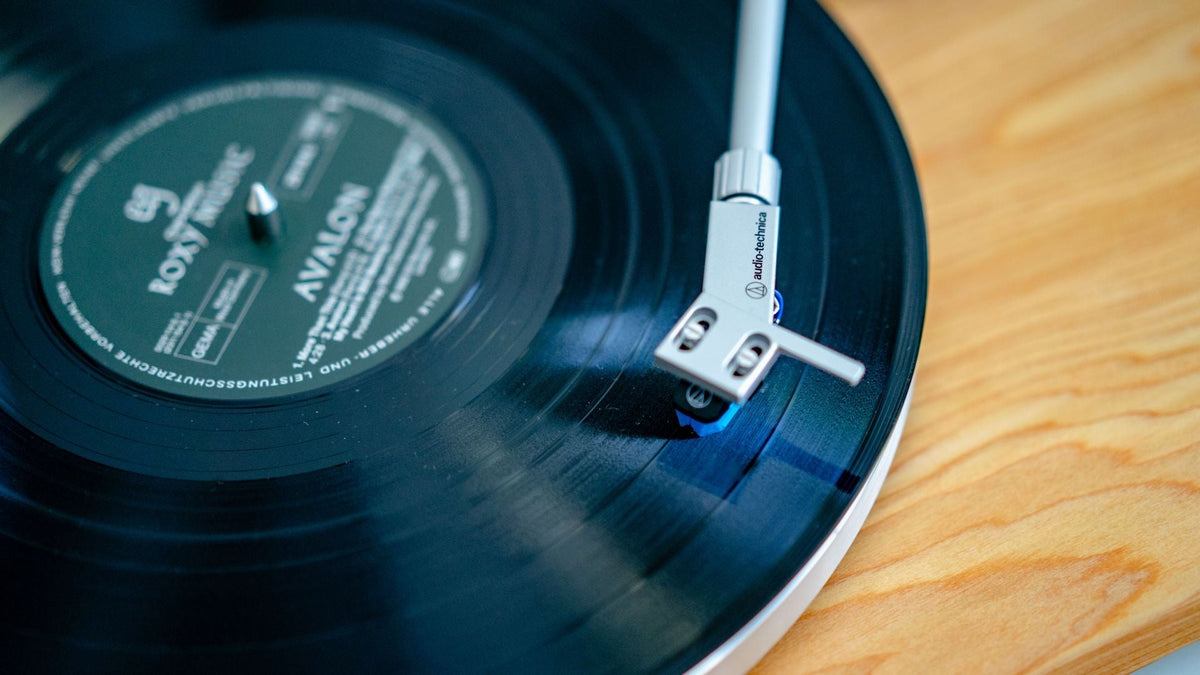
Here is a number that should not make sense in 2026. In a world where every song ever recorded sits one tap away, vinyl records just passed a billion dollars in annual US sales. It was the nineteenth straight year of growth, and a huge share of it is being driven by the generation that grew up entirely on streaming.
Gen Z, the most digitally native listeners in history, are the ones lining up at record stores. The obvious explanation is nostalgia. The obvious explanation is wrong.
It Was Never About Sound Quality
Ask a younger collector why they buy records and very few of them lead with audio fidelity. Surveys keep surfacing the same answers: they want something they can hold, something that makes listening an act rather than a background. They talk about supporting artists, about building a collection, about taking a break from the endless scroll.

In other words, they're not chasing a better signal. They're chasing a more physical relationship with music. The ritual of taking out the record, setting the needle, and committing to a side is the point. The music stops being a file and becomes an object and an experience.
The Hunger Underneath the Trend
This isn't really a story about vinyl. It's a story about what's missing from how we usually consume music now.
Streaming gave us infinite access and, in the trade, made the experience almost frictionless to the point of weightlessness. A song starts, a song ends, the algorithm serves another, and very little of it touches us in a way we remember. For a generation that has only ever known that flow, the appeal of vinyl is that it pushes back. It asks for attention. It takes up space. It turns listening into something you do with your body and your time, not just your ears.
The same instinct shows up everywhere right now. Concert attendance is booming. Cassette sales are climbing. Print books and magazines are having a moment with the same age group. The thread running through all of it is a craving for the tangible, for media you can feel the weight of in a culture that turned everything into a stream.
The Part the Format Can't Solve
Here's the irony, though. Even a record, for all its ritual, still delivers music the same way earbuds do, as sound traveling to your ears. The physicality Gen Z is reaching for is real, but it lives mostly in the object and the ritual around it. The actual listening is still something that happens from the neck up.

That's the gap between wanting to feel music and actually feeling it. You can hold the artifact, admire the sleeve, honor the ritual, and the bass line still arrives only as something you hear. The most physical part of music, the low end you feel in your chest at a show, is exactly the part a home setup tends to lose.
Closing the Loop
This is the same desire Woojer was built around, approached from the other direction. Gen Z is signaling, loudly and with their wallets, that they want music to be a physical experience again. A wearable like the STRAP answers that literally: it takes the low frequencies of whatever you're playing, from any source, and turns them into a sensation you feel on your body in real time.
It pairs naturally with the very ritual driving the vinyl boom. Put on the record, drop the needle, and instead of just hearing the album the way the artist built it, you feel the weight of it too. The object gives you the ritual. The haptics give you the impact the ritual was always pointing toward.
The takeaway from a billion dollars of vinyl isn't that young listeners miss the past. It's that they're done with music that only reaches their ears. They want to feel it.
The good news is they no longer have to choose between the ritual and the rumble.
Born To Feel.
Keep reading: Your Playlist Knows How You Feel. Does That Make It Better? and Music Has Always Been Physical. Science Is Just Starting to Map It..
